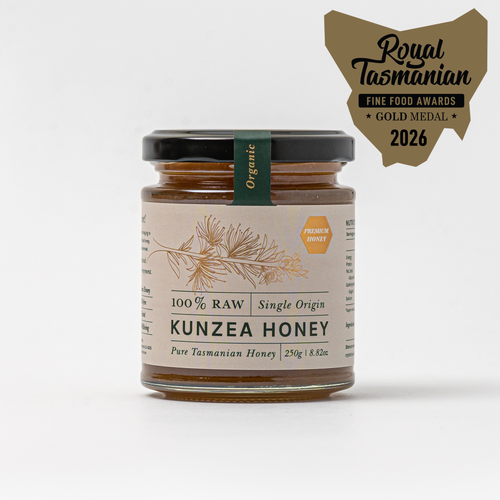
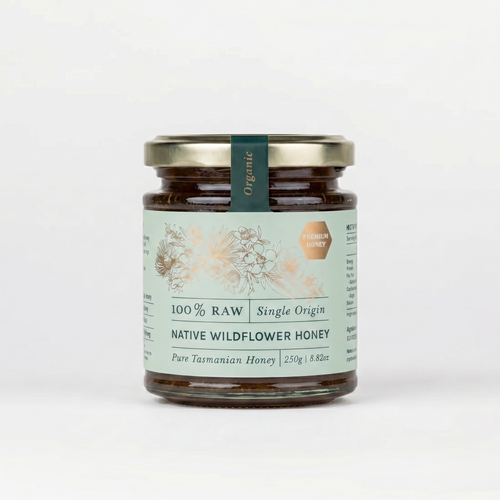
One of the most asked questions about honey is: Does it expire? Remarkably, honey is one of the few natural foods that can last for years, even decades, when stored correctly. Archaeologists have even discovered jars of honey in ancient Egyptian tombs that were still safe to eat, a testament to its natural stability. Treasured for millennia for these qualities, honey is also at the heart of Zea’s Gourmet Range.
So what is it about this bee-made food that allows it to stay fresh for so long?
In this blog, we’ll explore why honey lasts so long, how to store it properly, what crystallisation means, and why best-before dates are about quality, not safety.
Why Honey Doesn’t Expire
Honey’s long shelf life is due to its unique natural chemistry. It creates an environment that is extremely hostile to bacteria, mould, and yeast.
Honey is made up of only about 17-18% water, meaning there is not enough free moisture for microorganisms to survive. Most bacteria and fungi need water to grow, honey simply doesn’t provide it.
At the same time, honey contains very high levels of natural sugars. This creates what scientists call osmotic pressure, which draws water out of microbial cells and prevents them from reproducing.
Honey is also naturally acidic, with a pH similar to vinegar. This acidity further inhibits microbial growth and helps preserve the honey.
On top of this, bees add special enzymes to honey. One of these enzymes produces hydrogen peroxide, giving honey gentle but continuous antimicrobial activity while it sits in the jar.
Its thick, viscous texture also limits oxygen exposure, and most spoilage microbes require oxygen to survive.
Together, these factors make honey one of the most shelf-stable foods on Earth.
Can Honey Ever Go Bad?
Although pure honey itself does not expire, it can spoil if it becomes contaminated.
This usually happens when:
-
Water is introduced (for example, from a wet spoon)
-
The jar is left open in a humid environment
-
Food particles or bacteria are added to the jar
Extra moisture allows yeast to grow, which can cause honey to ferment, producing gas, off smells, or bubbling. When this happens, the honey should not be consumed.
Proper storage, sealed, dry, and at room temperature, prevents this.
What About Crystallised Honey?
Crystallisation does not mean honey has gone bad.
Honey naturally contains more glucose than water. Over time, the glucose can separate and form crystals, turning the honey thick or grainy. This is completely normal and does not affect safety or quality.
To return crystallised honey to liquid form:
-
Place the jar in a bowl of warm water for about 15 minutes, or
-
Gently warm it in the microwave in 10-second intervals, stirring between each burst
Avoid overheating, as excessive heat can damage honey’s natural enzymes and beneficial compounds.
How Long Does Honey Really Last?
When stored correctly in a sealed container, honey can remain safe, stable, and edible for many years, even decades. It doesn’t rely on preservatives, refrigeration, or additives. Its shelf life is built into its natural chemistry. That’s what makes honey not just sweet, but truly remarkable.
 Why Does Honey Have a Best-Before Date?
If honey doesn’t spoil easily, why does it have a best-before date at all?
In Australia (and most countries), food labelling laws require packaged foods to display a best-before date, even for products that are naturally shelf-stable. For honey, this date is not about safety, it exists to indicate the period during which the honey is expected to maintain its best flavour, aroma, colour, and texture.
Over time, honey may:
-
Darken slightly
-
Develop a deeper flavour
-
Crystallise or thicken
These are natural changes that happen as sugars slowly rearrange and antioxidants develop, not signs of spoilage. Properly stored honey remains safe to eat well beyond its labelled date, provided it stays dry and uncontaminated.
In other words, honey has a best-before date because of regulatory requirements and quality standards, not because it suddenly expires.
Key Takeaways
Honey is one of nature’s most remarkable foods, naturally shelf-stable, nutrient-rich, and resistant to spoilage. Thanks to its low water content, high sugar concentration, natural acidity, and enzymes, it can remain safe and edible for years, even decades, when stored properly. Crystallisation, darkening, or thickening are normal changes and do not indicate spoilage. The best-before date on honey jars is about quality, not safety, helping you know when the honey will taste and look its best. Properly stored, pure honey is a timeless pantry staple: sweet, natural, and enduring.
Discover the taste and quality of Australia’s native honeys, shop Zea’s Gourmet Range now to explore our natural honey options.
References
-
Hanson, K. (2021, February 4). Does honey go bad or expire? Allrecipes. https://www.allrecipes.com/article/does-honey-go-bad/
-
Yoon, J. (2026, January 4). Does honey go bad? EatingWell. https://www.eatingwell.com/article/7962112/does-honey-go-bad/
-
HelloFresh. Does honey ever go bad or expire? HelloFresh. https://www.hellofresh.com/eat/ingredient-info/does-honey-ever-go-bad-or-expire
-
Asheville Bee Charmer. Can honey go bad? And other honey expiration facts. Asheville Bee Charmer. https://ashevillebeecharmer.com/honey-education/does-honey-go-bad/